Online Privacy
Introduction
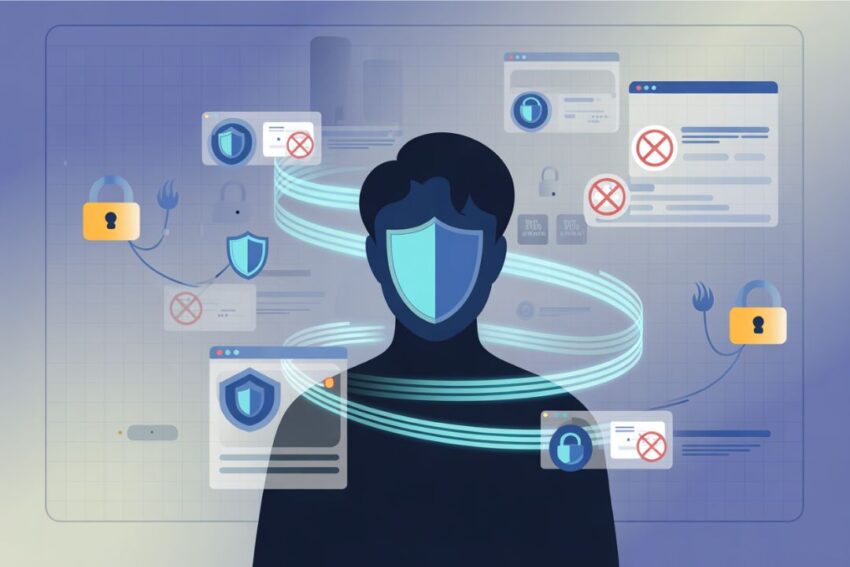
In today’s digital era, online privacy has become a critical concern for individuals, businesses, and governments alike. With the proliferation of social media, e-commerce, cloud computing, and mobile apps, personal data is being generated and shared at an unprecedented rate. Every click, search, and interaction online leaves a digital footprint, making the protection of personal information a top priority.
Online privacy refers to the right of individuals to control their personal information and to decide how it is collected, stored, and shared in the digital environment. This encompasses everything from email communications and browsing habits to financial transactions and social media activity. The growing awareness of privacy risks has led to increased demand for privacy tools, regulations, and safe online practices.
Chapter 1: Understanding Online Privacy
1.1 What is Online Privacy?
At its core, online privacy is about controlling access to your personal information. It includes safeguarding sensitive data such as:
- Full name, address, and phone number
- Email addresses and login credentials
- Financial information (credit card details, banking info)
- Health records and personal identifiers
- Online behavior and preferences
In the absence of proper privacy measures, this information can be exploited for identity theft, targeted advertising, fraud, or unauthorized surveillance.
1.2 Importance of Online Privacy
The importance of online privacy cannot be overstated. Here are a few key reasons:
- Protecting Personal Data: Personal data, once exposed, can lead to identity theft, harassment, or financial loss.
- Freedom of Expression: Online privacy allows individuals to communicate and share ideas without fear of being monitored.
- Preventing Data Misuse: Companies often use personal data for marketing and analytics. Controlling privacy reduces misuse.
- Legal Compliance: Laws like GDPR and CCPA protect online privacy, making it essential for businesses to comply.
Chapter 2: Common Threats to Online Privacy
Even if you are careful, there are numerous threats to your online privacy. Understanding these risks is the first step in safeguarding your digital life.
2.1 Data Breaches
Data breaches occur when hackers gain unauthorized access to databases containing personal information. Major breaches have affected millions of users worldwide, exposing sensitive data such as passwords, emails, and payment details.
2.2 Tracking and Profiling
Websites and apps often track users using cookies, pixels, and other tracking technologies. This data is used to create detailed profiles for targeted advertising, often without explicit consent.
2.3 Phishing Attacks
Phishing attacks use fraudulent emails, messages, or websites to trick users into revealing personal information. These attacks are increasingly sophisticated and can compromise email accounts, financial information, and login credentials.
2.4 Public Wi-Fi Risks
Using unsecured public Wi-Fi networks exposes users to risks like man-in-the-middle attacks, where hackers intercept communications and steal sensitive data.
Chapter 3: Tools and Techniques to Protect Online Privacy
There are numerous strategies and tools to protect online privacy, ranging from technical solutions to behavioral changes.
3.1 Strong Password Management
Using strong, unique passwords for each online account is fundamental. Password managers can help generate and store complex passwords securely.
3.2 Encryption
Encryption converts data into unreadable formats for unauthorized users. Using encrypted messaging apps, VPNs, and secure websites (HTTPS) helps protect online communications and transactions.
3.3 Virtual Private Networks (VPNs)
VPNs hide your IP address and encrypt your internet traffic, making it difficult for hackers or advertisers to track your online activities.
3.4 Two-Factor Authentication (2FA)
2FA adds an extra layer of security by requiring a second verification step, such as a text message code or an authentication app, in addition to your password.
Chapter 4: Online Privacy and Social Media
4.1 The Social Media Privacy Challenge
Social media platforms like Facebook, Instagram, Twitter, and TikTok have revolutionized communication and networking. However, they also present significant online privacy risks. Personal information shared on these platforms—photos, location data, contact lists, and personal preferences—can be accessed, tracked, or misused.
For example, social media platforms often track your activity across the web using cookies and third-party trackers. This data is then used for targeted advertising, which may feel invasive. In some cases, data breaches on these platforms have exposed millions of users’ personal details, putting them at risk of identity theft.
4.2 Privacy Settings: A First Line of Defense
Most social media platforms offer privacy settings that allow users to control who can see their posts, personal details, and activity. Key strategies include:
- Setting profiles to private or limited access
- Reviewing app permissions regularly
- Avoiding sharing sensitive personal information publicly
- Being cautious when connecting third-party apps
4.3 Risks of Oversharing
Oversharing personal details online can lead to:
- Identity theft: Hackers can piece together information from multiple sources.
- Stalking and harassment: Location check-ins or travel posts may expose your whereabouts.
- Job-related issues: Employers may view inappropriate or sensitive content online.
The bottom line: Think before you post. Online privacy starts with cautious sharing.
Chapter 5: Mobile Devices and Privacy
5.1 Smartphones: Privacy Goldmines
Modern smartphones store a vast amount of personal data: contacts, emails, browsing history, photos, location data, and financial information. Apps often request permissions that go beyond their core functionality, increasing online privacy risks.
5.2 Common Threats on Mobile Devices
- App Permissions Abuse: Apps may request access to contacts, microphone, camera, or location unnecessarily.
- Location Tracking: Many apps track your location even when not in use.
- Malware and Spyware: Downloading apps from untrusted sources can introduce malware.
5.3 Protecting Privacy on Smartphones
- Review app permissions regularly
- Use device encryption
- Enable remote tracking and wiping features in case of loss or theft
- Install apps only from trusted stores (Google Play, Apple App Store)
- Keep your device and apps updated
Chapter 6: Government Surveillance and Online Privacy
6.1 Government Monitoring
Government surveillance has expanded significantly in the digital age. Programs like PRISM (revealed by Edward Snowden) highlight the scale of data collection by state agencies. While some monitoring is justified for national security, excessive surveillance can infringe on individual online privacy rights.
6.2 The Balance Between Security and Privacy
Privacy advocates argue that citizens should have the right to online anonymity, secure communication, and control over personal information. Governments, on the other hand, often prioritize security. The challenge is finding a balance that protects both national interests and individual privacy.
6.3 Steps to Protect Yourself from Unwanted Surveillance
- Use encrypted messaging apps (Signal, WhatsApp)
- Avoid using unsecured networks
- Consider VPNs to mask online activity
- Stay informed about government privacy laws in your country
Chapter 7: Legal Frameworks for Online Privacy
7.1 General Data Protection Regulation (GDPR)
The GDPR, implemented by the European Union, is one of the most comprehensive privacy laws in the world. It gives individuals control over their personal data, including:
- Right to access and correct data
- Right to erase personal data
- Right to know how data is processed
- Requirements for organizations to secure user data
7.2 California Consumer Privacy Act (CCPA)
The CCPA in the United States allows California residents to:
- Know what personal data businesses collect
- Request deletion of personal data
- Opt-out of data sales to third parties
These regulations are shaping global online privacy standards and pushing businesses to adopt stronger data protection practices.
7.3 Other Key Regulations
- HIPAA: Protects health information in the US
- PIPEDA: Canadian law for personal data protection
- Data Protection Act (UK): Governs how personal data is used in the UK
Legal frameworks play a critical role in safeguarding online privacy, but individual vigilance is still essential.
Frequently Asked Questions (FAQs) About Online Privacy
1. What is online privacy?
Online privacy refers to the protection of personal information shared or collected on the internet. It includes emails, browsing habits, financial details, health data, social media activity, and any other digital footprint. Maintaining online privacy ensures that this information is not misused or accessed without permission.
2. Why is online privacy important?
Online privacy is crucial because it:
- Protects against identity theft and financial fraud
- Prevents unauthorized tracking or profiling
- Ensures freedom of expression online
- Helps comply with privacy laws and regulations
Without proper privacy measures, personal and sensitive data can be exploited in harmful ways.
3. How can I protect my online privacy?
Some effective ways to safeguard online privacy include:
- Using strong, unique passwords for each account
- Enabling two-factor authentication (2FA)
- Using VPNs to encrypt internet traffic
- Avoiding oversharing on social media
- Regularly reviewing app permissions
- Using encrypted messaging services
4. Are my activities tracked online?
Yes. Websites, social media platforms, and apps often track users via cookies, pixels, and other technologies. This tracking is primarily used for targeted advertising but can also expose personal habits and sensitive data. Using privacy tools and browser extensions can help reduce tracking.
5. What are the most common threats to online privacy?
Common threats include:
- Data breaches: Unauthorized access to personal databases
- Phishing attacks: Scams that trick users into revealing sensitive information
- Malware and spyware: Programs that steal or monitor data
- Government surveillance: Monitoring of digital communications
6. Do privacy laws really protect me online?
Privacy laws like GDPR, CCPA, HIPAA, and PIPEDA give individuals rights over their personal data. However, compliance varies, and businesses or platforms may still collect data in ways not fully controlled by users. Personal vigilance is still essential.
7. Is it possible to be completely private online?
Complete online anonymity is extremely difficult due to pervasive tracking, data collection, and digital footprints. However, by using a combination of strong passwords, encryption, VPNs, cautious sharing, and privacy-focused tools, you can significantly enhance your online privacy.
Conclusion
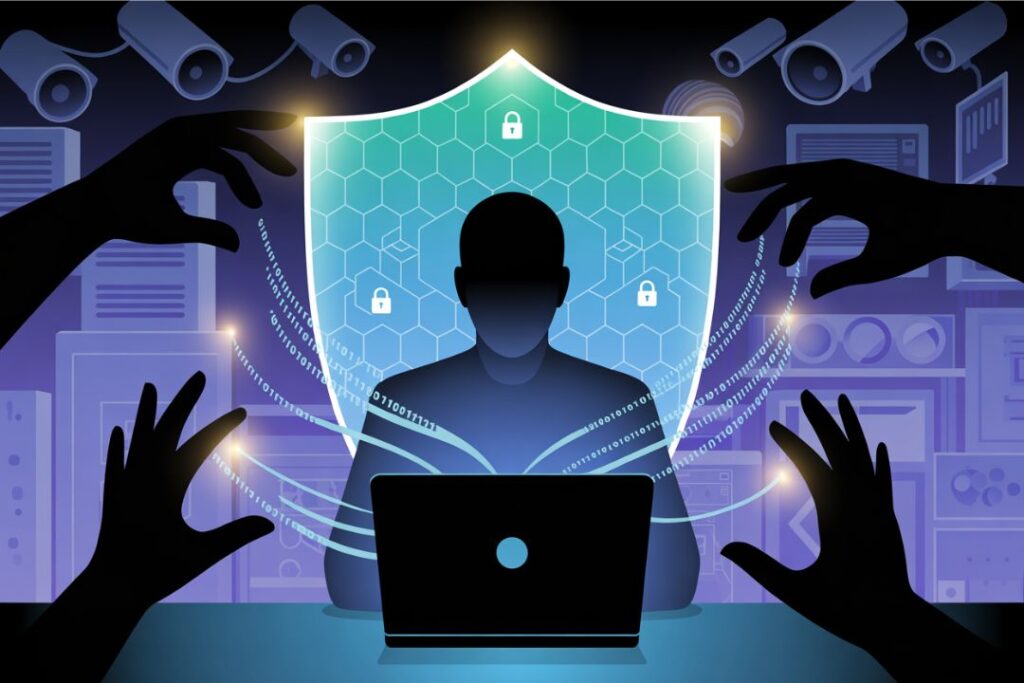
In today’s digital world, online privacy is no longer optional—it’s essential. Every interaction online, from social media activity to online shopping, creates a digital footprint that can be tracked, collected, and misused. By understanding the risks, implementing security measures, and staying informed about evolving technologies and legal frameworks, individuals and organizations can protect themselves from breaches, identity theft, and surveillance.
Key takeaways from this guide:
- Awareness is the first step: Understand what data is being collected and why.
- Use available tools: Encryption, VPNs, password managers, and privacy-focused apps are vital.
- Follow privacy best practices: Regularly update software, review app permissions, and limit oversharing.
- Stay informed about laws and regulations: Knowing your rights under GDPR, CCPA, or other local laws can empower you to demand data protection.
- Think long-term: Privacy protection is not a one-time task; it requires ongoing attention and adaptation to new digital threats.
Ultimately, online privacy is about control—controlling your personal data, your online identity, and the level of exposure you are comfortable with. By prioritizing privacy, you not only safeguard yourself but also contribute to a safer and more secure digital environment for everyone.