
Introduction to Responsive Web Design
In today’s digital age, where users access the internet through a myriad of devices ranging from smartphones and tablets to laptops and desktops, the importance of a seamless web experience cannot be overstated. Responsive Web Design (RWD) has emerged as a critical approach for modern web development, ensuring that websites adapt gracefully to different screen sizes and devices without compromising usability or aesthetics. At its core, responsive web design is not just about making a website look good on any device—it’s about enhancing user experience, improving engagement, and meeting the ever-evolving expectations of online audiences.
The concept of Responsive Web Design was first popularized by Ethan Marcotte in 2010, who introduced the idea of designing flexible, adaptable layouts that respond to the viewer’s environment. Before this shift, web developers often created separate versions of websites for desktop and mobile users, which was not only inefficient but also difficult to maintain. Responsive design solved this problem by using a single codebase to deliver a consistent experience across all devices, allowing for better scalability and easier content management.
One of the primary reasons businesses and developers prioritize Responsive Web Design is its impact on user engagement. Inconsistent or poorly designed mobile experiences can frustrate visitors, leading to higher bounce rates and lower conversions. A responsive website, on the other hand, ensures that text is readable, navigation is intuitive, and media elements such as images and videos scale properly, regardless of the device. This improved user experience translates directly into higher customer satisfaction and increased retention rates.
From an SEO perspective, Responsive Web Design is equally important. Search engines like Google favor mobile-friendly websites in their ranking algorithms, meaning that responsive sites have a better chance of appearing higher in search results. By adopting responsive design, developers can optimize their websites for both desktop and mobile users simultaneously, eliminating the need for duplicate content or multiple URLs, which can negatively impact SEO performance.
Why Responsive Web Design Matters
In the rapidly evolving digital landscape, Responsive Web Design is no longer optional—it is essential. With users accessing websites from an ever-growing variety of devices, ensuring that your website delivers a consistent, high-quality experience has become a cornerstone of modern web development. But why exactly does responsive design matter, and how can it impact a website’s performance, user engagement, and business success? Let’s explore the critical reasons why Responsive Web Design is so important.
1. Enhancing User Experience
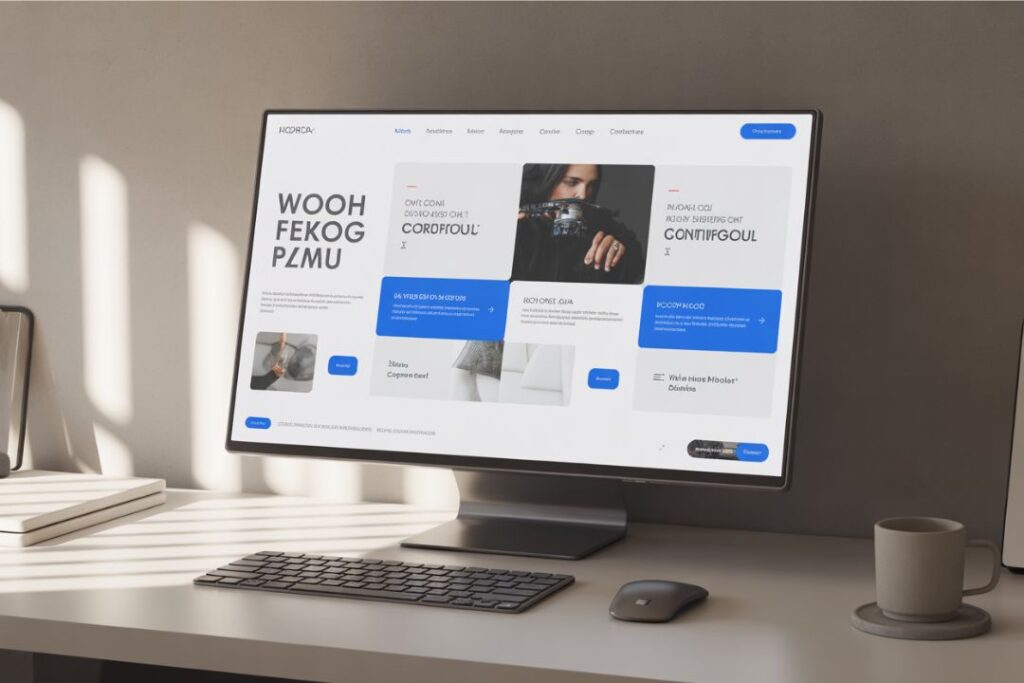
One of the most compelling reasons to adopt Responsive Web Design is its direct effect on user experience (UX). Users expect websites to function seamlessly regardless of the device they are using. A responsive website ensures that content automatically adjusts to fit the screen size, making navigation intuitive and content easy to read. For instance, menus that are clear on a desktop can transform into mobile-friendly, collapsible formats without losing functionality. Images and videos scale appropriately, text remains legible, and call-to-action buttons remain accessible.
A positive user experience not only keeps visitors on the website longer but also increases the likelihood of conversions. Studies show that websites that fail to provide a smooth mobile experience lose a significant portion of potential customers. Responsive Web Design eliminates this problem by providing a cohesive, enjoyable experience across all devices.
2. Mobile-First Internet Usage
In today’s world, mobile internet usage has surpassed desktop usage in many regions. Over 60% of global web traffic now comes from mobile devices. This shift makes Responsive Web Design crucial, as websites that do not adapt to smaller screens risk alienating the majority of users. A mobile-first approach, which prioritizes the mobile user experience, ensures that content is accessible, readable, and functional on all devices.
By embracing responsive design, businesses can reach a broader audience without the need to create separate websites for mobile and desktop users. This unified approach simplifies maintenance and reduces the risk of inconsistencies between versions, allowing companies to focus on improving their content and services.
3. SEO and Search Engine Benefits
Search engine optimization (SEO) is another major reason why Responsive Web Design matters. Google has explicitly stated that mobile-friendly websites rank higher in search results. Websites that are not optimized for mobile devices can suffer from lower rankings, reducing visibility and organic traffic.
A responsive website consolidates all content under a single URL, which makes it easier for search engines to crawl and index. This eliminates the SEO challenges associated with maintaining separate desktop and mobile sites, such as duplicate content issues. Additionally, responsive design improves site speed and usability—two factors that search engines consider when ranking websites.
4. Cost Efficiency and Maintenance
Before responsive design became standard, businesses often maintained separate websites for desktop and mobile users. This approach not only increased development costs but also made ongoing maintenance cumbersome. Every change or update had to be applied to multiple versions of the site, increasing the likelihood of errors and inconsistencies.
Responsive Web Design simplifies maintenance by providing a single website that works across all devices. Updates, content changes, and design tweaks can be applied once and reflected everywhere, saving time and resources. For businesses, this efficiency translates into significant cost savings and reduced technical overhead.
5. Adapting to Future Devices
The pace of technological change means that new devices with varying screen sizes and resolutions continue to emerge. Responsive Web Design prepares websites to adapt to future devices automatically. Whether it’s a smartwatch, foldable phone, tablet, or a high-resolution desktop monitor, a responsive site can scale gracefully without requiring a complete redesign. This future-proofing capability ensures longevity and relevance in a constantly evolving digital landscape.
6. Competitive Advantage
Finally, adopting Responsive Web Design provides a competitive edge. Websites that are mobile-friendly, easy to navigate, and visually appealing are more likely to attract and retain users. In contrast, businesses that neglect responsive design risk losing customers to competitors who provide superior digital experiences. In a market where user expectations are high, responsive design can make the difference between retaining loyal customers and driving them away.
Principles of Responsive Web Design
Creating a website that works seamlessly across all devices is not just a matter of resizing elements or using smaller fonts—it requires a strategic approach based on core principles of Responsive Web Design. These principles guide developers in crafting layouts that adapt fluidly, ensuring both functionality and aesthetic appeal. Understanding and applying these principles is essential for building websites that meet modern user expectations and maintain high usability across diverse devices.
1. Fluid Grids
One of the foundational principles of Responsive Web Design is the use of fluid grids. Traditional websites often rely on fixed-width layouts, where elements have set pixel dimensions. While this approach may work well on desktop screens, it fails on smaller devices, causing content to overflow or appear squished.
Fluid grids, on the other hand, use relative units such as percentages rather than fixed pixels. This allows elements like columns, images, and text containers to scale proportionally based on the screen size. For example, a three-column layout on a desktop may seamlessly adjust to a single-column layout on a smartphone without breaking the design or requiring separate code.
Fluid grids ensure that Responsive Web Design is not just visually flexible but also structurally sound. By planning layouts in relative units, developers can create adaptive interfaces that maintain consistency and readability across all devices.
2. Flexible Images and Media
Images, videos, and other media elements play a critical role in website design, but they can also create challenges in responsive layouts. Large, fixed-size images can break a layout or slow down loading times on mobile devices.
Responsive Web Design addresses this challenge by implementing flexible images and media. Techniques such as CSS properties (max-width: 100% and height: auto) allow images to scale relative to their container while maintaining aspect ratio. Additionally, modern solutions like srcset and <picture> elements provide different image resolutions for different devices, ensuring optimal performance and visual clarity.
Flexible media not only enhances aesthetics but also improves loading speed and user experience—two key factors in maintaining engagement on mobile and desktop platforms.
3. Media Queries
Media queries are one of the most powerful tools in Responsive Web Design. They allow developers to apply specific CSS rules based on device characteristics such as screen width, height, resolution, and orientation.
For instance, a website can display a multi-column layout on screens wider than 1024px, while switching to a single-column layout for screens narrower than 768px. Media queries enable this adaptability, ensuring that content remains accessible, readable, and visually appealing on devices of all sizes.
By strategically using media queries, developers can create designs that respond to user environments, providing an optimized experience regardless of whether visitors use a tablet, smartphone, or desktop computer.
4. Mobile-First Approach
The mobile-first approach is a strategic principle in Responsive Web Design that prioritizes mobile user experience before scaling up for larger screens. Instead of designing a full desktop website and then adapting it for smaller devices, developers start with the simplest version for mobile users and progressively enhance it for tablets and desktops.
This approach ensures that critical content and functionality are accessible even on smaller screens, where space is limited. It also aligns with current trends in internet usage, as mobile devices now account for the majority of web traffic worldwide.
Starting with mobile-first designs often leads to cleaner, faster, and more efficient websites. By focusing on essential content and features, developers can avoid clutter and create user-centric experiences that perform well across all devices.
5. Consistent User Experience
A key principle of Responsive Web Design is providing a consistent user experience across devices. Users should be able to navigate the website, access information, and interact with features seamlessly, whether they are on a smartphone, tablet, or desktop.
Consistency extends beyond layout and visuals—it includes navigation patterns, typography, color schemes, and interaction elements. A coherent experience builds trust, reduces confusion, and encourages engagement. Responsive design ensures that users receive the same level of functionality and satisfaction regardless of how they access the website.
6. Performance Optimization
Responsive websites must not only look good but also perform efficiently. Performance optimization is a vital principle in Responsive Web Design, as slow-loading pages can frustrate users and lead to higher bounce rates.
Techniques such as optimizing images, leveraging browser caching, minimizing CSS and JavaScript files, and employing content delivery networks (CDNs) contribute to faster load times. By combining responsive design with performance optimization, developers can create websites that are both visually adaptable and functionally fast, enhancing the overall user experience.
FAQs: Responsive Web Design
1. What is Responsive Web Design?
Responsive Web Design (RWD) is an approach to web development where websites automatically adapt their layout, content, and functionality to fit different screen sizes and devices. Whether a visitor uses a desktop, tablet, or smartphone, a responsive website ensures optimal user experience without requiring separate versions of the site.
2. Why is Responsive Web Design important?
Responsive design is critical because it improves user experience, boosts SEO rankings, reduces maintenance costs, and ensures a consistent experience across devices. With mobile internet usage exceeding desktop in many regions, responsive websites reach a larger audience and enhance engagement.
3. What is the difference between responsive and adaptive design?
While responsive design adjusts layouts fluidly based on screen size using CSS and media queries, adaptive design uses pre-defined layouts for specific devices. Responsive design is generally more flexible and future-proof, while adaptive design can offer precise control for specific screen sizes.
4. How do I test if my website is responsive?
You can test a website’s responsiveness using online tools like Google’s Mobile-Friendly Test, BrowserStack, or by resizing your browser window. Proper testing ensures that layouts, images, and navigation work seamlessly across devices.
5. What are common techniques used in Responsive Web Design?
Key techniques include using fluid grids, flexible images, media queries, a mobile-first approach, and performance optimization. Combining these methods creates a website that is visually appealing, functional, and adaptable across all devices.
6. Are there any challenges with implementing responsive design?
Yes. Common challenges include handling complex layouts, ensuring cross-browser compatibility, optimizing performance for mobile devices, and maintaining consistent user experience across all platforms. However, following best practices and testing extensively can overcome these issues
Conclusion: The Significance of Responsive Web Design
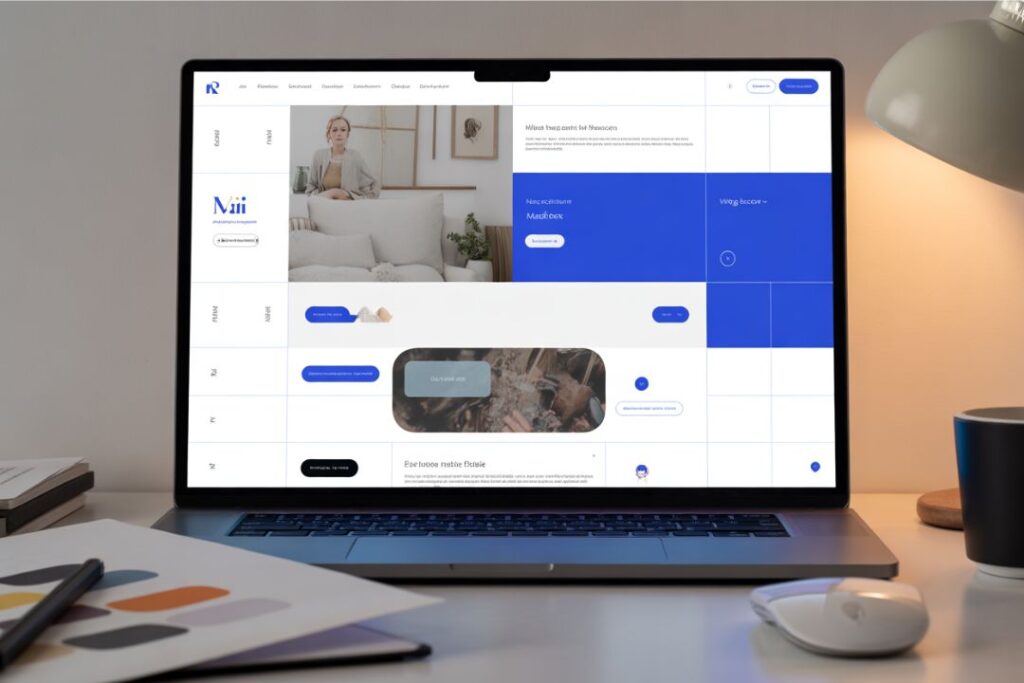
In today’s digital-first world, Responsive Web Design is not just a technical choice—it is a strategic necessity. With the increasing variety of devices and screen sizes, websites that fail to adapt risk losing visitors, diminishing engagement, and falling behind competitors. By implementing responsive design principles such as fluid grids, flexible media, media queries, and a mobile-first approach, developers can create websites that are not only visually appealing but also functional and efficient across all devices.
Responsive websites enhance user experience, improve SEO rankings, reduce maintenance costs, and future-proof web platforms against emerging technologies. They ensure that content remains accessible and engaging, whether viewed on a smartphone during a commute, a tablet at home, or a desktop at work.
Ultimately, Responsive Web Design represents a commitment to user-centric development. It bridges the gap between technology and user expectations, ensuring that websites are inclusive, functional, and ready for the ever-evolving digital landscape. Businesses and developers who embrace responsive design today are investing in long-term success, delivering value to their users, and staying ahead in an increasingly competitive online environment.